The Waikiki Tattoo Network
A coordinated network of independent Hawaiʻi tattoo shops and artists, documented at length. Long-form features, style guides, and the events calendar that pulls them all together.
Three rooms, one island
Each shop carries its own house style and crew. The network keeps them in conversation.
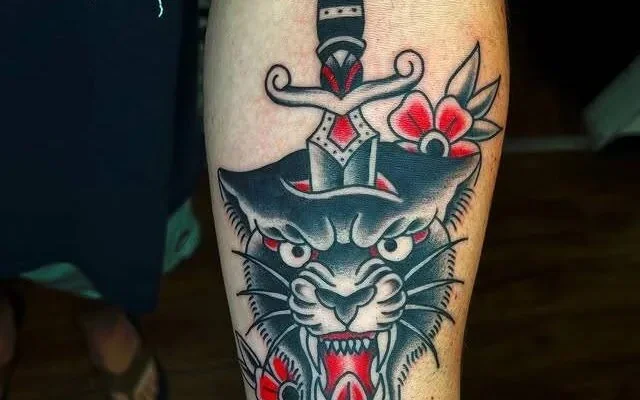
Ohana Tattoo Company
Veteran-owned street shop. Walk-ins until midnight. The Waikiki street-shop standard, with Forrest, Dustin, Tiki, Julian, and Scripttoria in residence.
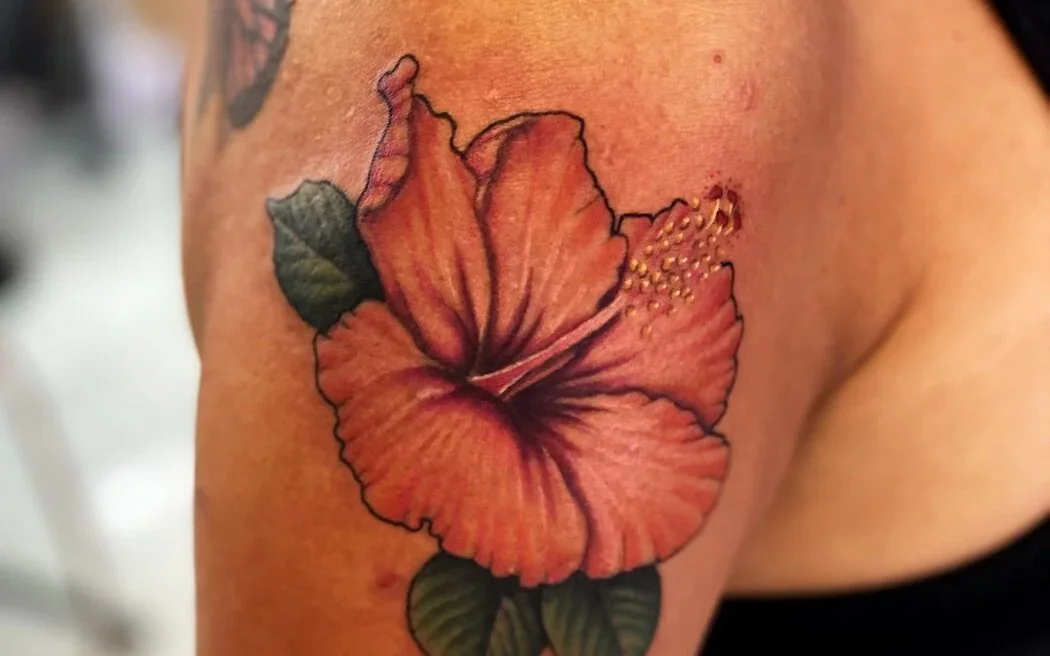
Wailana Tattoo
Home to color realism, traditional, and Polynesian work — and to Franky Sharpz's hand-wound coil machines. The technical workshop of the network.

Aloha Tattoo
Tim Goodrich's house. The first tattoo shop ever approved on Hilton property — thirty-plus years of American Traditional, Japanese Wabori, and four-studio sleeve-building.
TNT Tattoo
The network's Leeward-side anchor — 99-016 Kamehameha Hwy, Aiea. Home to Heather Baldwin (cover-up queen), Benson Carlos (Polynesian, 30 yrs), Myles Mokuahi, Isaac Mackenzie, Shane Harvey, and the Mokuahi family legacy.
The artists, in their own perspective
Nine resident artists across the network. Each one gets a long-form feature.
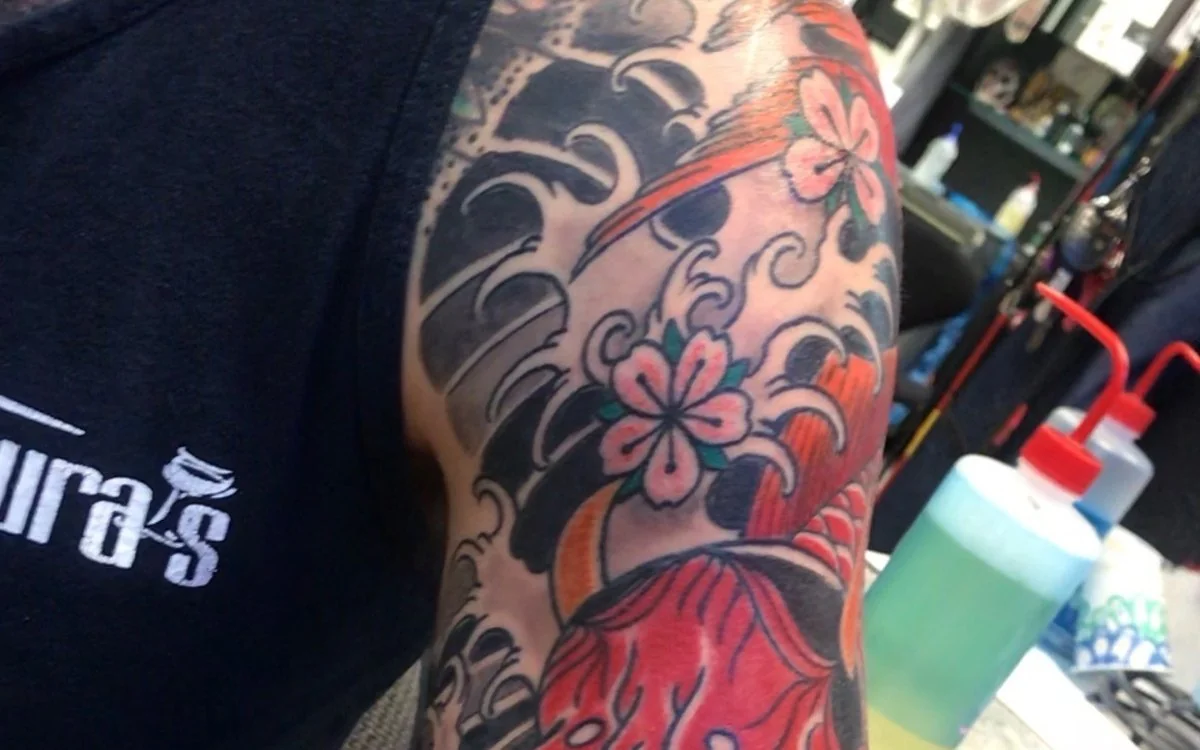
Tim Goodrich
Second-generation tattooer. American Traditional, Japanese Wabori, Black & Grey, fine line. The man who put a tattoo shop on Hilton property.
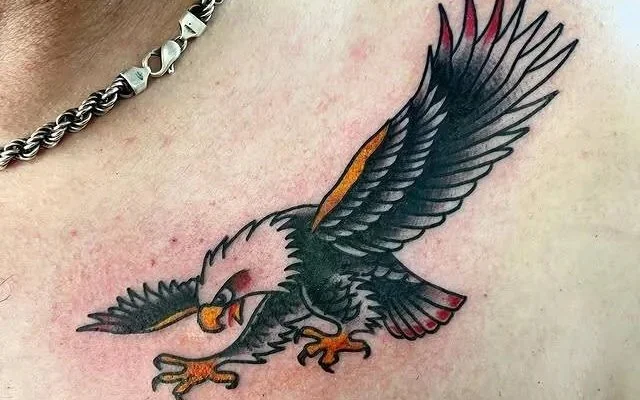
Forrest Goodrich
Second-generation American Traditional & fine line specialist. Bold flash, clean linework, the classics done right.
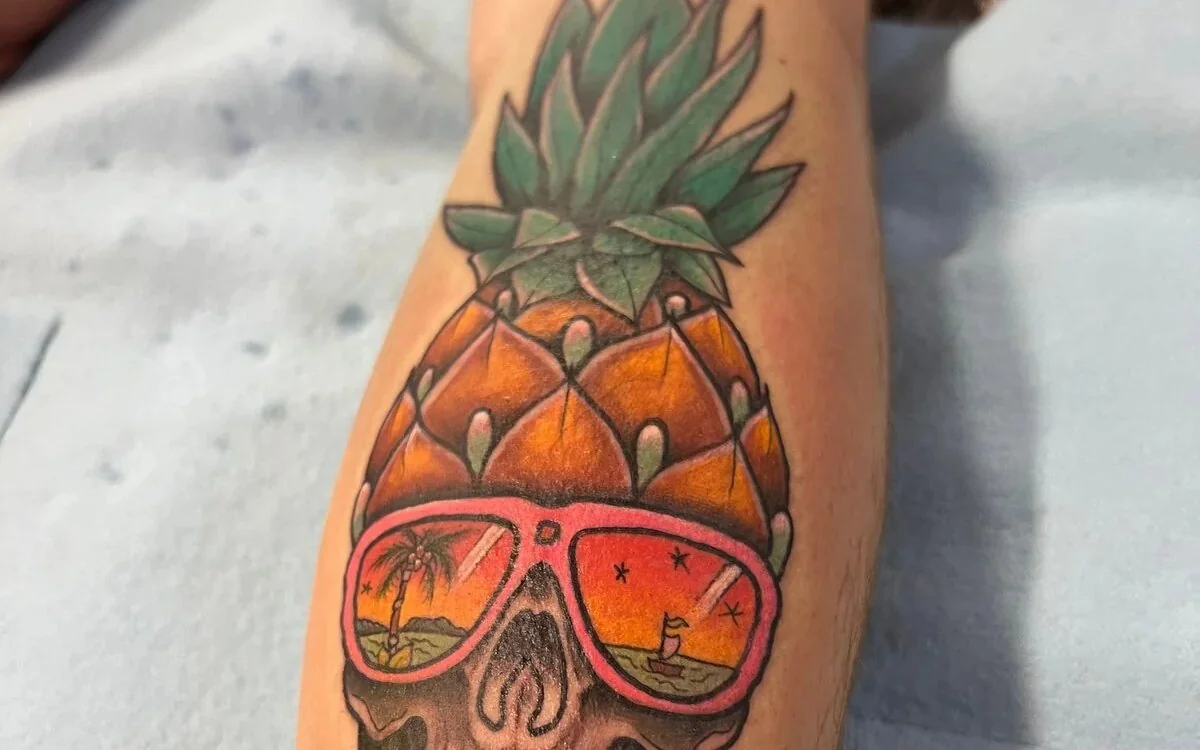
Dustin Gormley
American Traditional rooted in fundamentals, bent through a trippy perspective all his own.
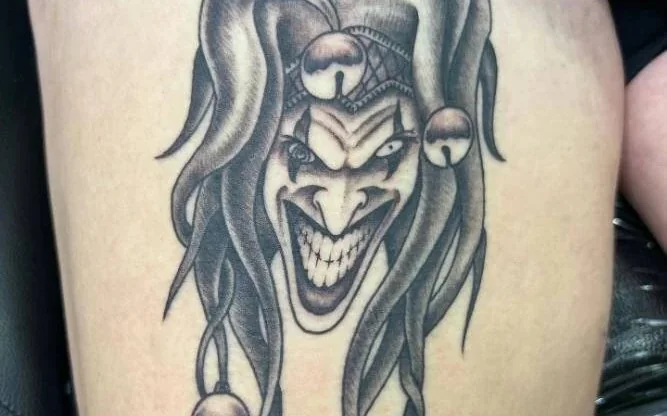
Tiki (Christian Ramos)
Blackwork specialist — bold negative space, graphic linework, dense saturation. Japanese B&G to dark-art portraits.
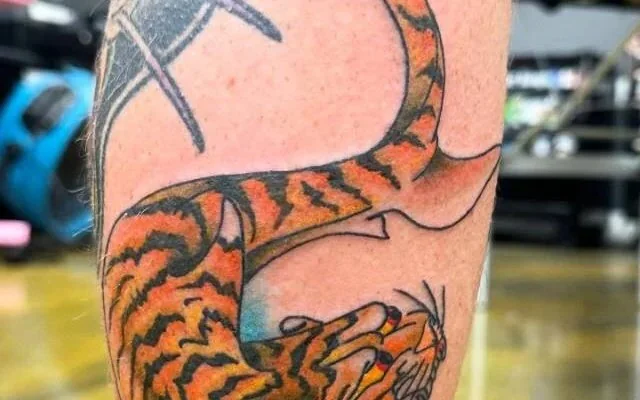
Julian (xwildxlovex)
Hawaiʻi's illustrative color specialist. Saturated palettes, watercolor washes, custom compositions.
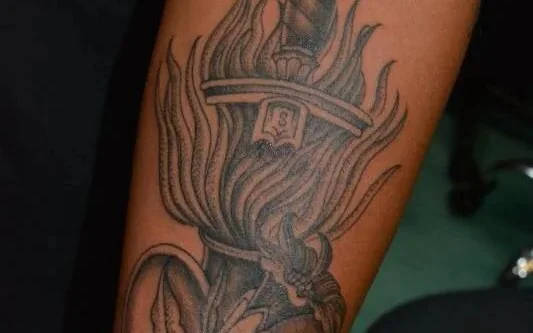
Scripttoria
Refined script, fine-line black & grey, memorial tattoos. Eight years tattooing, NOLA street-shop roots.
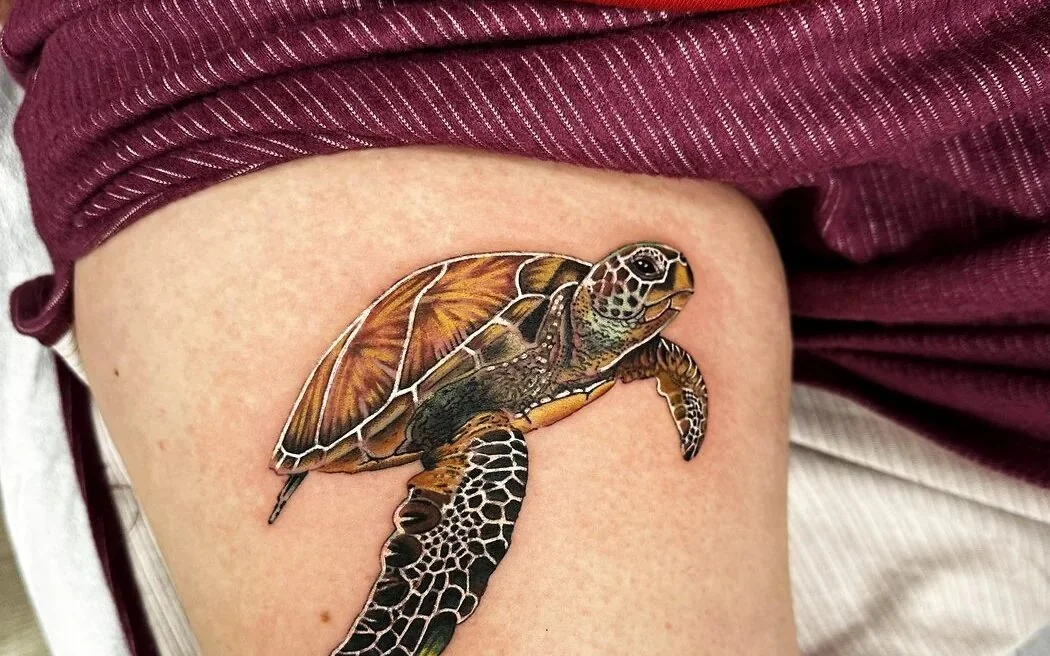
2bit (Chris Curren)
Color Realism, American Traditional, piercing. Apprenticed under JD Gray at Sacred Art. Tattooing since 2010.
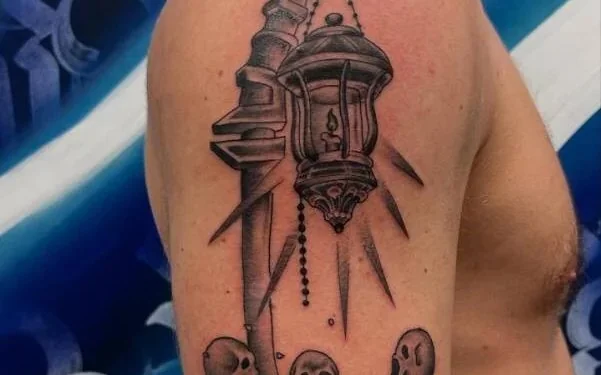
Franky Sharpz
Manager of Wailana Tattoo. Custom coil machine builder. American Traditional, Polynesian, and color-realism artist.
Myles Mokuahi
Son of Kevin Mokuahi. Second-generation tattooer. Splits his bench between TNT Aiea and Ohana Waikiki. 4 years professional. Black & gray, custom, Hawaiian.
Heather Baldwin
The Queen of Cover-Ups — Hawaii's best cover-up specialist at TNT Tattoo Aiea. Phenomenal black-and-grey realism. Floral work that's out of this world.
Benson Carlos · Inked Benz
Skilled Polynesian artist with 30 years of experience and a deep passion for the craft. Black-and-grey realism, custom cultural work at TNT Tattoo Aiea.
The vocabulary of Waikiki tattooing
Long reads explaining the styles you'll see across the network — what makes them work, who carries them, what to ask for.
American Traditional
Bold black outlines, flat planes of color, classic iconography. Why it still reads from across the room a hundred years later — and who in the network draws it best.
Japanese Wabori
Dragons, koi, hannya, chrysanthemums, wind bars, body-flow placement. The classical Japanese style as practiced today in Waikiki shops.
Black & Grey
From wash-soft realism to bold blackwork. The grayscale spectrum and the artists in the network pushing the upper end of it.
Color Realism
Photographic likeness, layered color over color, decade-stable saturation. The patience-intensive style 2bit and Franky build their reputations on.
Polynesian Tribal
Solid blacks, geometric pattern density, Hawaiian iconography drawn to body contour. Hawaiʻi's most local tattoo vocabulary.
Walk-In Flash
The pre-drawn flash wall, sit-down-now culture. What walk-in tattoo really means in Waikiki, why it's the right move for your first piece — or your fortieth.
The blog
Editorial features, shop visits, technical deep-dives, and culture writing — published as the network grows.
Aiea's Cover-Up Queen & Her Thirty-Year Polynesian Counterpart
Inside TNT Tattoo Aiea — where Heather Baldwin builds Hawaii's reputation as a cover-up destination and Benson Carlos (Inked Benz) brings three decades of Polynesian mastery and black-and-grey realism to the same back-bench rotation.
The Aloha Tattoo Story
How Tim Goodrich — Marine Corps veteran and second-generation tattooer — built Aloha Tattoo into the first tattoo shop ever approved on Hilton Hotel grounds in Hawaiʻi.
Hand-Wound Coils: Franky Sharpz's Machine Workshop
Inside the Wailana back room where Franky builds the iron tattoo artists actually want to tattoo with.
NOLA-Rooted Lettering in Waikiki
Scripttoria's eight-year journey from New Orleans street shops to Ohana Tattoo, told piece by piece.
About the network
The basics, answered in plain language.
What is the Waikiki Tattoo Network?
The Waikiki Tattoo Network is a coordinated editorial home for independent Hawaiʻi tattoo shops and artists — Ohana Tattoo Company, Wailana Tattoo, and Aloha Tattoo — plus their resident artists. We publish long-form features, style guides, and a shared events calendar.
Which artists are in the network?
Resident artists include Tim Goodrich, Forrest Goodrich, Dustin Gormley, Tiki (Christian Ramos), Julian (xwildxlovex), Scripttoria, 2bit (Chris Curren), Franky Sharpz, Myles Mokuahi, Heather Baldwin, Benson, Shane, Isaac, Kevin Mokuahi.
Where are the shops located?
Ohana Tattoo Company is on Saratoga Rd in Waikiki. Wailana Tattoo is on Ala Moana Blvd next to the historic Wailana Coffee House. Aloha Tattoo is inside the Hilton Hawaiian Village resort. All three are within a short walk or drive of each other in Honolulu.
How do I book a tattoo with a network artist?
Visit the artist's feature page on the network for their direct contact info and Instagram, or walk in to any of the three shops. Ohana Tattoo Company accepts walk-ins until midnight daily; Wailana and Aloha take both walk-ins and appointments.